If you are comparing the best portable label printers for shipping and storage, begin with the label jobs you repeat most often. A small printer should make shipping labels, bin tags, return labels, and quick barcode stickers easier to create without turning the desk into another device-management problem.
The printer supports your normal carrier label size and smaller storage tags.
The app, Bluetooth, USB, or keyboard path matches who will print labels.
Rolls, charger, and saved templates are easy to reach before a busy batch.
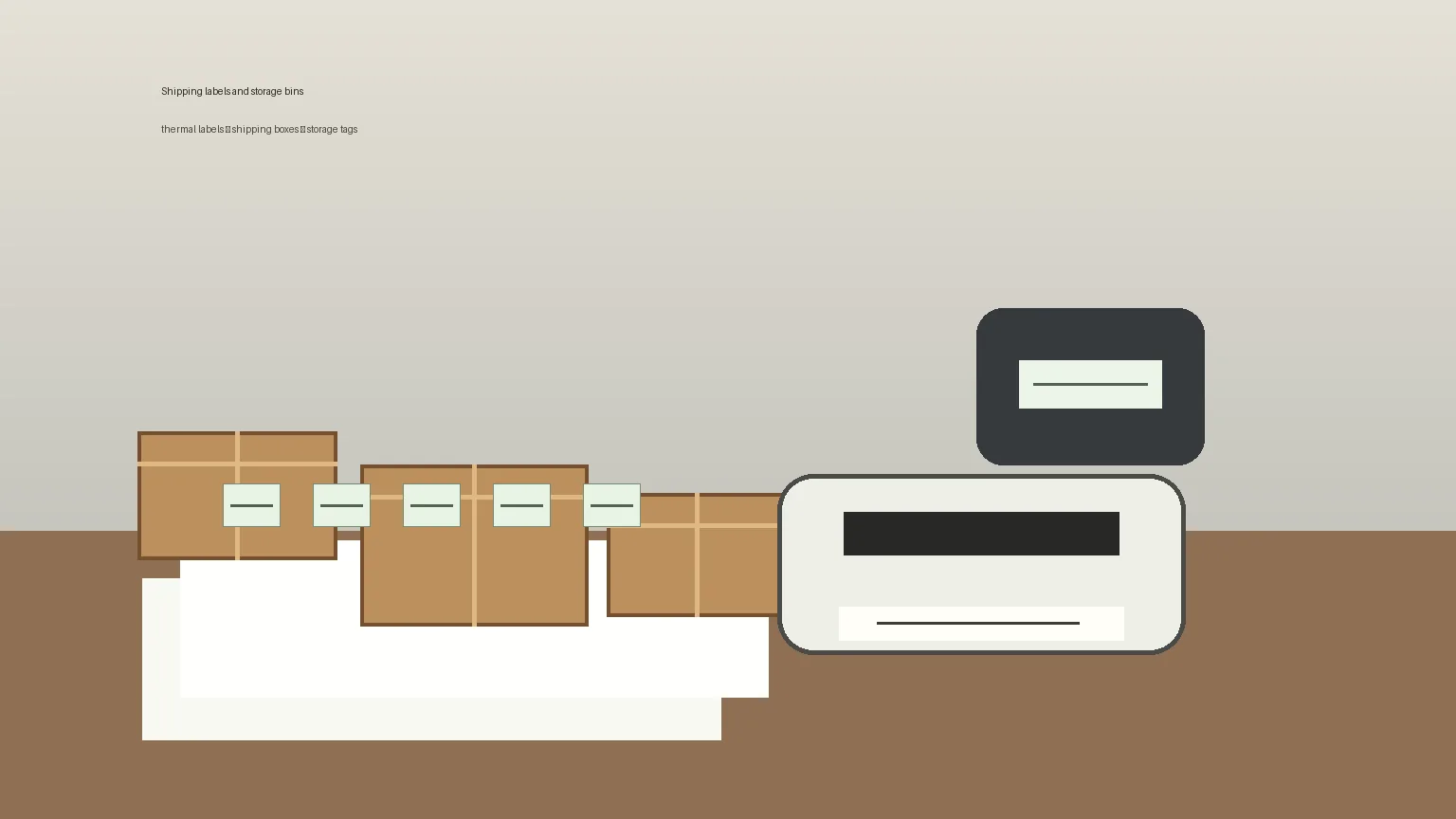
Match the printer to the actual label job
A printer should be chosen from the label job backward. A portable label printer is most useful when it removes friction from a repeated job: printing a shipping label, tagging a storage bin, naming a shelf, or preparing returns before a carrier pickup. The best choice is not always the smallest printer; it is the one that fits the exact label size, connection method, and pace of the work area.
A printer should be chosen from the label job backward. Start with the work surface before comparing specs. Count how many labels you print in a normal batch, where the printer will sit, whether labels need barcodes, and who has to use the app or keyboard. A portable printer that looks tidy in a product photo can still slow a team down if the roll size is wrong or the connection drops at the wrong moment.
A printer should be chosen from the label job backward. Label durability matters in different ways for shipping and storage. A shipping label must scan cleanly and stay attached through handling, while a storage label needs to remain readable after bins are moved, stacked, and reopened. Matching the material to the job prevents waste and keeps the system easy to trust.
Check roll sizes before brand names
Roll size decides whether a compact printer is genuinely useful. A portable label printer is most useful when it removes friction from a repeated job: printing a shipping label, tagging a storage bin, naming a shelf, or preparing returns before a carrier pickup. The best choice is not always the smallest printer; it is the one that fits the exact label size, connection method, and pace of the work area.
Roll size decides whether a compact printer is genuinely useful. Start with the work surface before comparing specs. Count how many labels you print in a normal batch, where the printer will sit, whether labels need barcodes, and who has to use the app or keyboard. A portable printer that looks tidy in a product photo can still slow a team down if the roll size is wrong or the connection drops at the wrong moment.
Roll size decides whether a compact printer is genuinely useful. Label durability matters in different ways for shipping and storage. A shipping label must scan cleanly and stay attached through handling, while a storage label needs to remain readable after bins are moved, stacked, and reopened. Matching the material to the job prevents waste and keeps the system easy to trust.
Plan the connection method around the station
Connection style should fit the way packages and bins move. A portable label printer is most useful when it removes friction from a repeated job: printing a shipping label, tagging a storage bin, naming a shelf, or preparing returns before a carrier pickup. The best choice is not always the smallest printer; it is the one that fits the exact label size, connection method, and pace of the work area.
Connection style should fit the way packages and bins move. Start with the work surface before comparing specs. Count how many labels you print in a normal batch, where the printer will sit, whether labels need barcodes, and who has to use the app or keyboard. A portable printer that looks tidy in a product photo can still slow a team down if the roll size is wrong or the connection drops at the wrong moment.
Connection style should fit the way packages and bins move. Label durability matters in different ways for shipping and storage. A shipping label must scan cleanly and stay attached through handling, while a storage label needs to remain readable after bins are moved, stacked, and reopened. Matching the material to the job prevents waste and keeps the system easy to trust.
Keep templates simple and repeatable
Templates are the difference between a quick station and a confusing app. A portable label printer is most useful when it removes friction from a repeated job: printing a shipping label, tagging a storage bin, naming a shelf, or preparing returns before a carrier pickup. The best choice is not always the smallest printer; it is the one that fits the exact label size, connection method, and pace of the work area.
Templates are the difference between a quick station and a confusing app. Start with the work surface before comparing specs. Count how many labels you print in a normal batch, where the printer will sit, whether labels need barcodes, and who has to use the app or keyboard. A portable printer that looks tidy in a product photo can still slow a team down if the roll size is wrong or the connection drops at the wrong moment.
Templates are the difference between a quick station and a confusing app. Label durability matters in different ways for shipping and storage. A shipping label must scan cleanly and stay attached through handling, while a storage label needs to remain readable after bins are moved, stacked, and reopened. Matching the material to the job prevents waste and keeps the system easy to trust.
Use storage labels beyond shipping
A portable printer can support shelves, bins, returns, and event kits. A portable label printer is most useful when it removes friction from a repeated job: printing a shipping label, tagging a storage bin, naming a shelf, or preparing returns before a carrier pickup. The best choice is not always the smallest printer; it is the one that fits the exact label size, connection method, and pace of the work area.
A portable printer can support shelves, bins, returns, and event kits. Start with the work surface before comparing specs. Count how many labels you print in a normal batch, where the printer will sit, whether labels need barcodes, and who has to use the app or keyboard. A portable printer that looks tidy in a product photo can still slow a team down if the roll size is wrong or the connection drops at the wrong moment.
A portable printer can support shelves, bins, returns, and event kits. Label durability matters in different ways for shipping and storage. A shipping label must scan cleanly and stay attached through handling, while a storage label needs to remain readable after bins are moved, stacked, and reopened. Matching the material to the job prevents waste and keeps the system easy to trust.
Build a reset habit before the rush
A five minute reset keeps the printer ready for the next batch. A portable label printer is most useful when it removes friction from a repeated job: printing a shipping label, tagging a storage bin, naming a shelf, or preparing returns before a carrier pickup. The best choice is not always the smallest printer; it is the one that fits the exact label size, connection method, and pace of the work area.
A five minute reset keeps the printer ready for the next batch. Start with the work surface before comparing specs. Count how many labels you print in a normal batch, where the printer will sit, whether labels need barcodes, and who has to use the app or keyboard. A portable printer that looks tidy in a product photo can still slow a team down if the roll size is wrong or the connection drops at the wrong moment.
A five minute reset keeps the printer ready for the next batch. Label durability matters in different ways for shipping and storage. A shipping label must scan cleanly and stay attached through handling, while a storage label needs to remain readable after bins are moved, stacked, and reopened. Matching the material to the job prevents waste and keeps the system easy to trust.
When portable is enough
A portable model is enough when label batches are small, the station moves between rooms, or the same printer handles both storage and shipping jobs.
When to go larger
A fixed desktop printer may be better when shipping volume is high, labels run all day, or multiple people need a more durable station.
Once the practical requirements are clear, compare portable label printer options for shipping and storage by roll support, print clarity, battery life, and template workflow instead of choosing by size alone.
FAQ
Is a portable label printer good for shipping labels?
Yes, if it supports the label size required by your carrier or marketplace and prints barcodes clearly.
Should I choose Bluetooth or USB?
Bluetooth is convenient for mobile use, while USB can be steadier for a fixed shipping station.
Do thermal labels need ink?
Most portable thermal label printers use heat-sensitive labels, so they do not need ink cartridges.
What label size should I check first?
Check the shipping platform and storage label sizes you use most often before buying rolls.
How do I avoid wasted labels?
Save templates, print a small test when changing rolls, and keep the feed path clean.
Where should I compare product options?
Use a focused product guide after you know your label sizes, batch volume, and connection needs.